Snow Hill Island (Emperor Penguin Colony)
Part of our guide to the best places to see penguins in the wild — Snow Hill ranks #3 on the list.
Overview
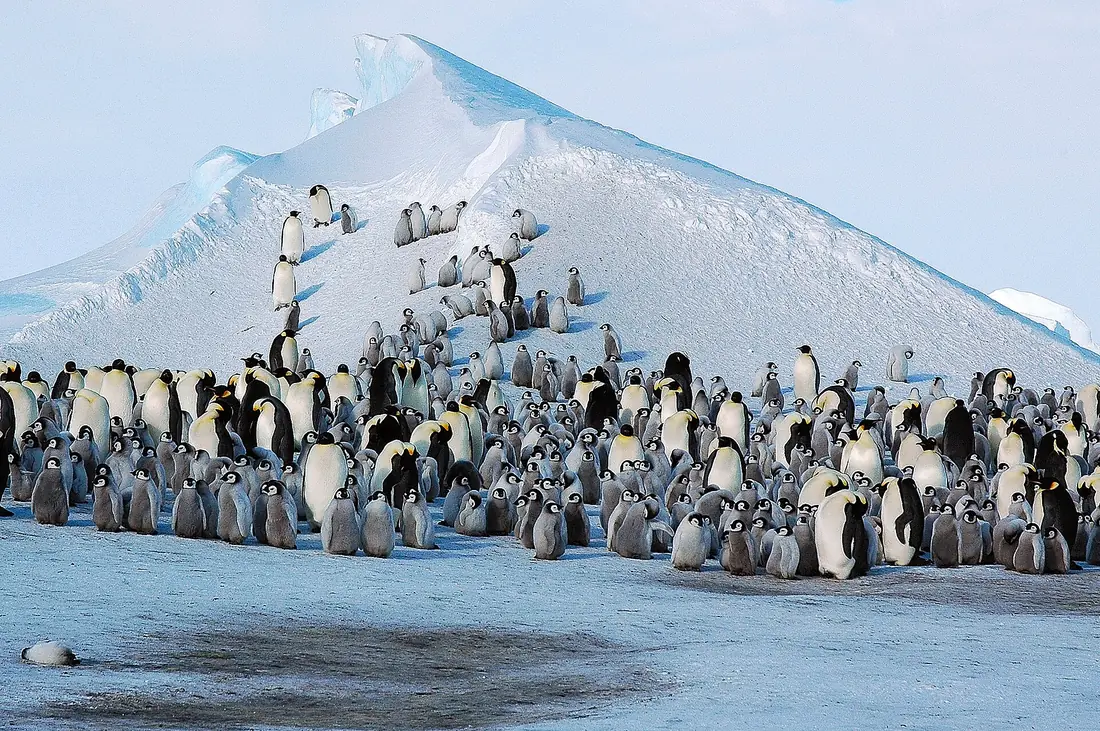
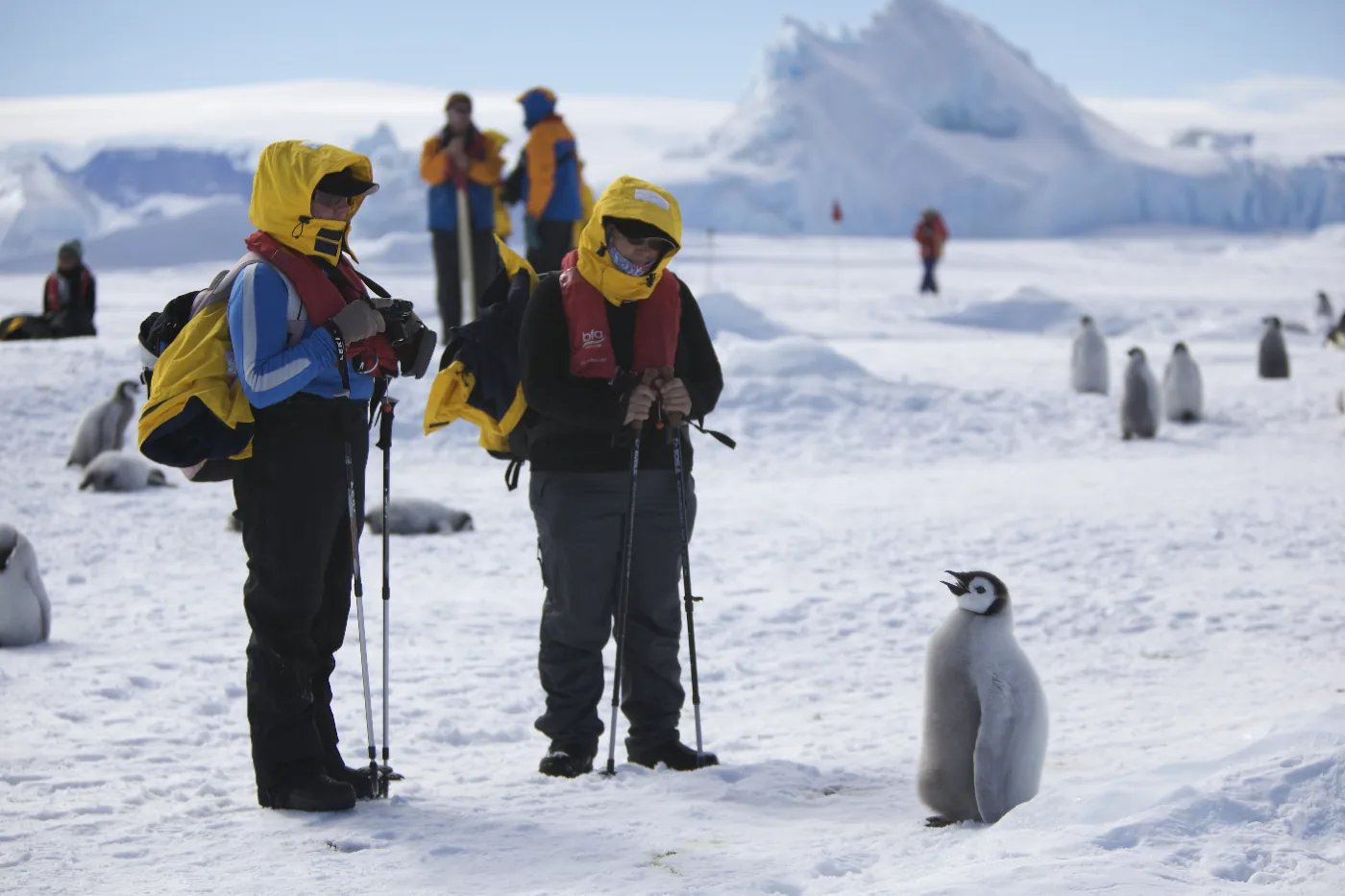
Snow Hill Island is the only place on Earth where visitors can stand within walking distance of a wild emperor penguin colony. The island sits in the southwestern Weddell Sea, off the east coast of the Antarctic Peninsula, and hosts roughly 4,000 breeding pairs of Aptenodytes forsteri — the largest and most otherworldly penguin on Earth, the species that breeds through the polar winter on sea ice and that films such as March of the Penguins and Happy Feet made globally famous. Snow Hill's colony is one of only two land-based emperor colonies on the Antarctic Peninsula (the other, at the Dion Islands, has been disrupted in recent years by sea-ice loss) and is the northernmost emperor colony in the world — but "accessible" is a relative term. There is no airstrip, no harbour, and no road. Reaching the penguins requires a purpose-built ice-strengthened expedition ship with on-board helicopters, a Drake Passage crossing from Ushuaia, and a window of just a few weeks in November–early December when the surrounding fast ice is broken up enough for the ship to approach and intact enough for the chicks to still be on it. Costs typically start in the US$15,000–20,000 range for a basic 10/11-day itinerary and rise well past US$30,000 for premium vessels. Landings are weather-dependent and never guaranteed; a visit may turn into an Antarctic-Peninsula-only trip if the ice doesn't cooperate. But if it does, you will spend two to three hours walking across sea ice among the icebergs, watching thousands of emperor adults and fluffy grey chicks — one of the rarest wildlife encounters on Earth. The emperor was uplisted to Endangered on the IUCN Red List in 2025, and sea-ice loss has caused multiple catastrophic breeding failures in other colonies in recent years; seeing this one healthy colony is increasingly understood as a once-in-a-lifetime experience that will not always be available.
Location
- Where: The southwestern Weddell Sea, off the east coast of Graham Land (the northern part of the Antarctic Peninsula), at roughly 64°28'S, 57°12'W — about 20 km north of the tip of the peninsula. It is part of the James Ross Island group and lies in the British Antarctic Territory, although sovereignty claims are held in abeyance under the Antarctic Treaty.
- The island: An ice- and snow-capped island about 33 km long and up to 12 km wide (roughly 260 km²). The northeast peninsula (Spath Peninsula) is one of the few ice-free areas and the site of the Nordenskiöld House historic hut. The island's geology is dominated by the Late Cretaceous Snow Hill Island Formation — a sedimentary sequence famous for marine reptile fossils (mosasaurs, plesiosaurs) and dinosaur remains, and from which Nordenskjöld's expedition recovered what remains the largest known fossil penguin specimen.
- The emperor penguin colony: Sits on about 650 acres (~260 ha) of sea ice at the island's southwestern tip, adjacent to the coast. It is designated an Important Bird Area (IBA) by BirdLife International for its breeding population. The colony is one of only two land-based emperor colonies on the Antarctic Peninsula, and is the northernmost emperor penguin colony in the world — and the only emperor colony accessible to ordinary expedition cruises.
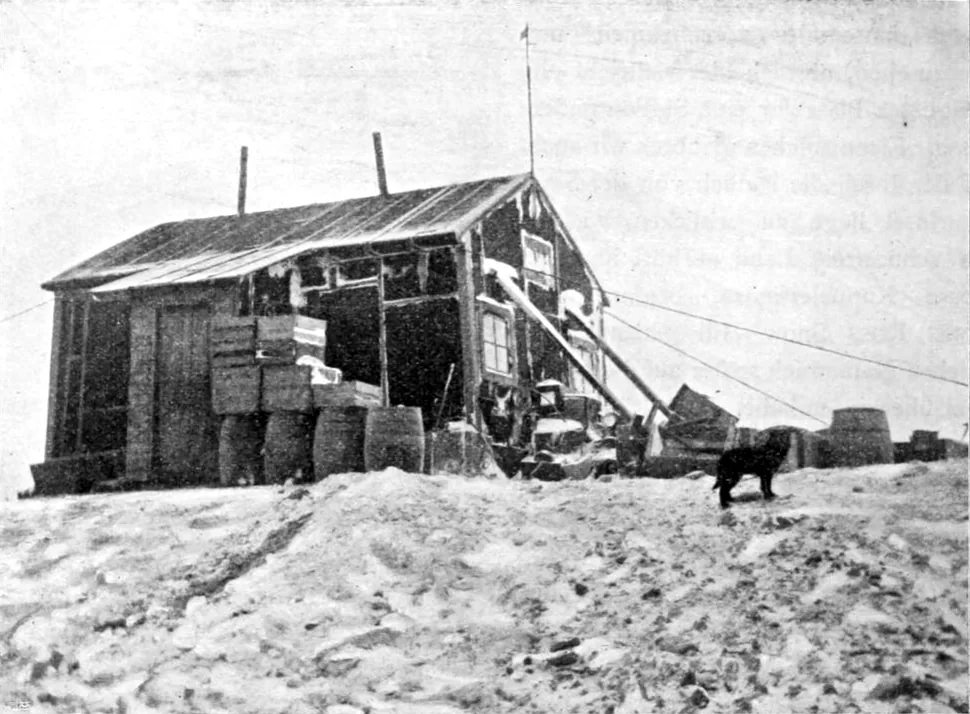
- History: Discovered on 6 January 1843 by a British expedition under Sir James Clark Ross, who named it for its snow-covered hills (which contrasted with the bare rock of nearby Seymour Island). Between 1901 and 1904 the Swedish South Polar Expedition, led by Otto Nordenskjöld, used Snow Hill as its winter base; the prefabricated wooden hut (Nordenskiöld House, HSM 38) still stands on the northeast coast, and the fossils collected on and around the island during the expedition are a major part of Antarctic palaeontology. The expedition's ship Antarctic was crushed by ice and sank on 12 February 1903 roughly 40 km north of Paulet Island; the stranded party survived two winters on the island and was rescued on 8 November 1903 by the Argentine Navy corvette Uruguay. The expedition also brought the first verifiable emperor penguin specimens back to Europe.
Penguin Species
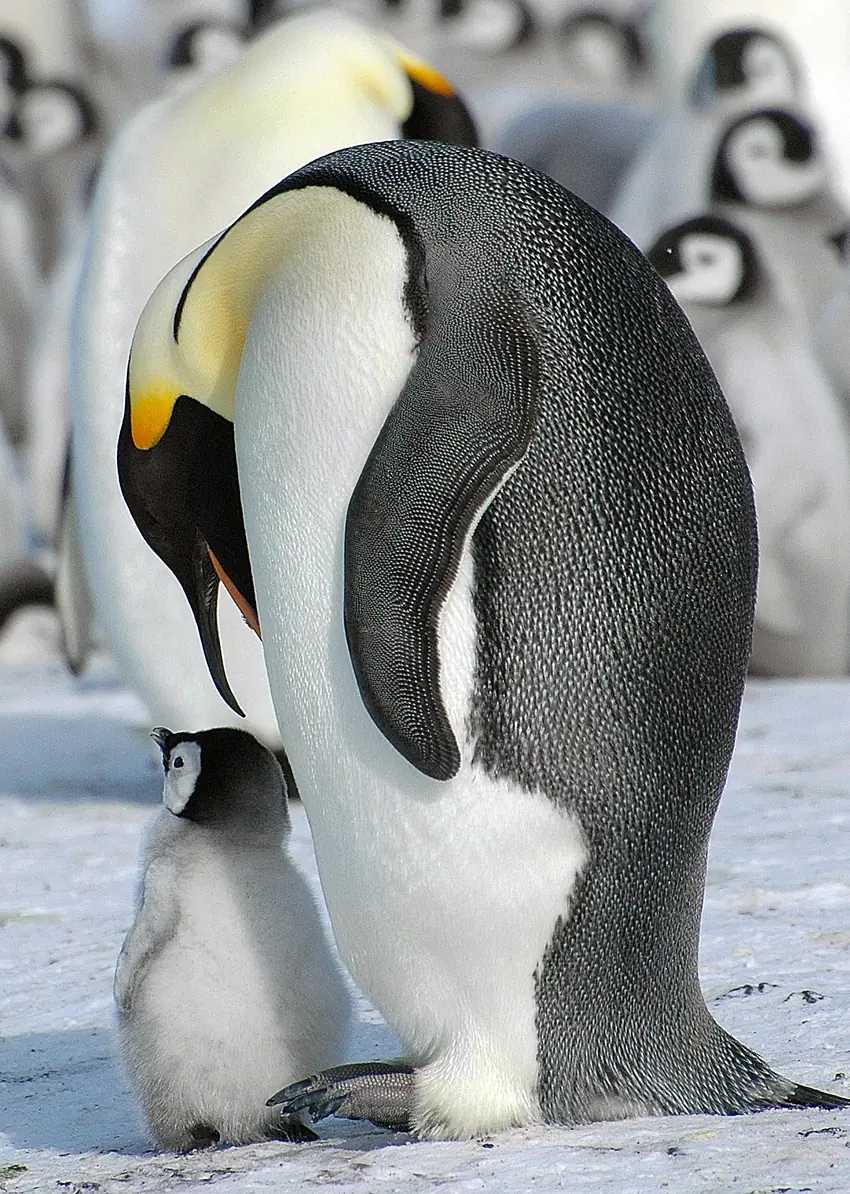
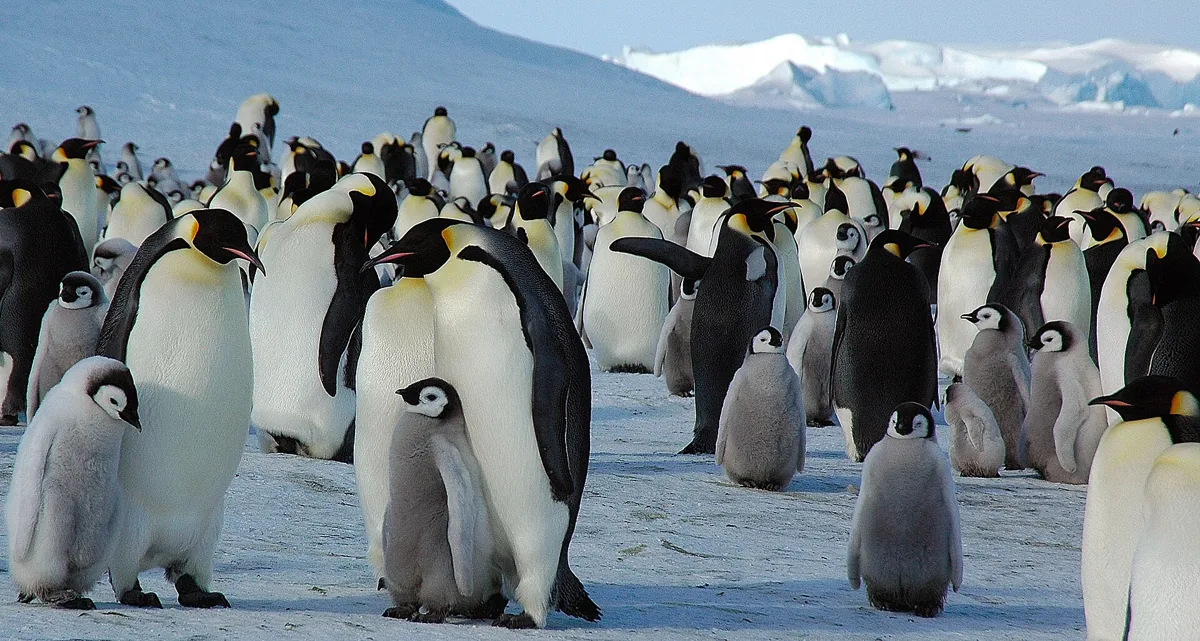
Emperor penguin (Aptenodytes forsteri) — the only penguin that breeds during the Antarctic winter, the largest living penguin, and the reason Snow Hill is on this list. Adults stand 110–130 cm tall and weigh 22–45 kg depending on season; females lay a single egg in May or early June, which the male incubates on his feet for about 65 days through the polar night (fasting for almost four months), before the female returns in mid-July to take over feeding the chick. Chicks fledge in December–January. The Snow Hill colony holds roughly 4,000 breeding pairs (BirdLife IBA figures), and is the only emperor colony on Earth that ordinary expedition visitors can reach — all other emperor colonies are either deep-Antarctic (Cape Adare, the Ross Sea) or reachable only via ski-plane and field camps from interior stations (Gould Bay, Akta Bay). The global emperor population is estimated at under 300,000 breeding pairs across some 66 known colonies (the four most recently found, announced in January 2024, were located by satellite guano stains on the ice), and in April 2025 the IUCN Red List reclassified the species from Near Threatened to Endangered, citing projected sea-ice loss driven by climate change. Recent catastrophic breeding failures elsewhere — including a complete wipeout of four of five colonies in the Bellingshausen Sea in 2022/2023 — underscore how dependent the species is on stable fast ice from courtship in March/April to fledging in December/January.
- Also seen in the Weddell Sea area: Adélie penguin (Pygoscelis adeliae) colonies on Paulet Island and the nearby Devil Island group, and gentoo penguins (Pygoscelis papua) on the Antarctic Sound islands — both are routine bonus stops on Snow Hill itineraries when weather allows landings.
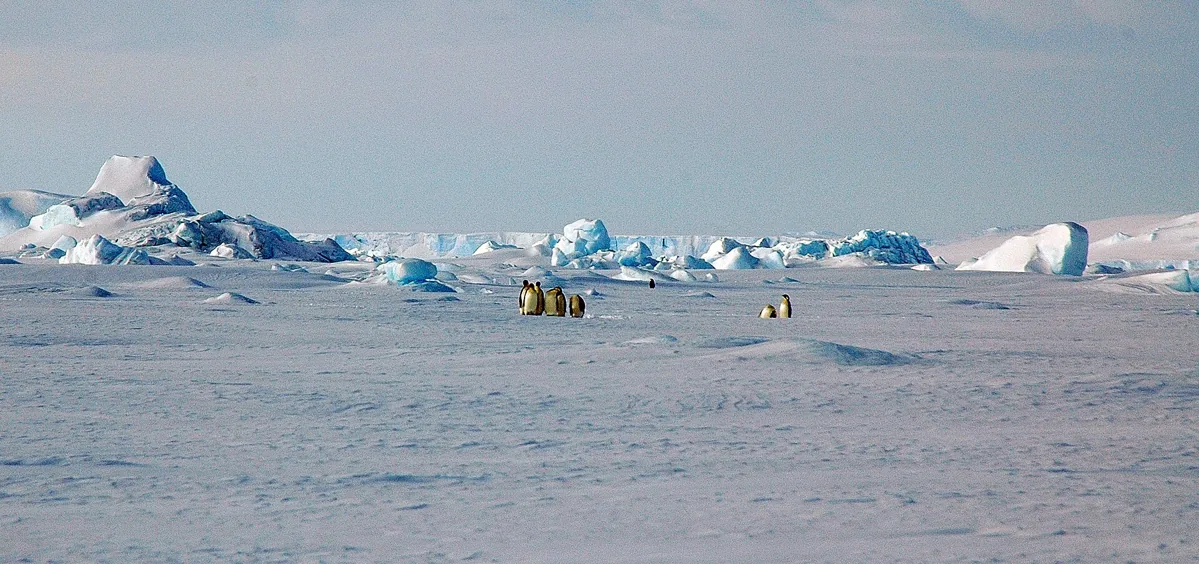
- Other wildlife on the approach: Weddell seals, crabeater seals, leopard seals, humpback and minke whales, Antarctic petrels, snow petrels, and the inevitable giant tabular icebergs drifting north from the Larsen and Ronne ice shelves — Weddell Sea scenery is consistently the most spectacular in the Antarctic.
Getting There & Difficulty
- Only ships with on-board helicopters can land at Snow Hill. The colony sits on sea ice and fast ice that no surface vessel can reach, and the surrounding pack ice is too thick and unstable for any other approach. Operators have to be Polar Class and equipped with helicopters capable of ferry-flying guests from the ship to a landing point on the ice, typically around 1 km from the colony edge, after which a guided snow walk of roughly 2 hours brings the group to a viewing position. Helicopters are also the only way to fly out if conditions deteriorate, and the only way to access Nordenskiöld House on the northeast coast.
- Departure port and crossing: Almost all Snow Hill voyages depart from Ushuaia (Argentina) and run two days across the Drake Passage to reach the northern Antarctic Peninsula, then push east into the Weddell Sea via Antarctic Sound — a passage known for its tabular icebergs and dense pack ice. Total voyage length is typically 10–14 days. Antarctica21 operates an alternative fly-the-Drake itinerary from Punta Arenas (Chile) using its Magellan Explorer aircraft for the South America–King George Island crossing, then transfers to a ship for the Weddell Sea push.
- Approved operators (verify at booking): The handful of operators running regular Snow Hill helicopter expeditions as of the 2026–27 season includes Oceanwide Expeditions (m/v Ortelius), Scenic Eclipse (Discovery Yachts with two helicopters — Snow Hill is an optional excursion with an additional fee), Antarctica21 (Magellan Explorer — "Emperor Penguin Quest"), Hurtigruten, Ponant, Aurora Expeditions, Lindblad Expeditions (National Geographic), Quark Expeditions, Atlas Ocean Voyages and a small number of others. Most slots are taken 12–18 months in advance.
- Indicative prices (verify at booking; twin share, in US dollars): Ortelius 10/11-day "Emperors & Snow Hill Island – Helicopters" itineraries start from about US$14,700–15,600 per person. Antarctica21's 13/14-day "Emperor Penguin Quest" on Magellan Explorer is published around US$20,000–25,000 per person. Scenic Eclipse 13-day "Antarctica in Depth" voyages start around US$20,000–25,000 plus the Snow Hill helicopter surcharge. Premium operators such as Lindblad and Ponant generally fall in the US$22,000–35,000+ range. The original bestplacestoseepenguins.com overview cites "typically starting around US$30,000" — that figure is accurate for the luxury end of the market, but the entry level is meaningfully lower than that.
- Difficulty: Extreme for access, moderate ashore. The Drake Passage is rough, the Weddell Sea is rougher, and landing slots are routinely lost to weather; even in a successful season, ships have to allow multiple days of "wait time" in case conditions improve. Ashore, the surface is relatively flat sea ice, but you walk a couple of kilometres in extreme cold in bulky polar kit, and any medical issue is a serious problem.
- Booking: Plan 12–18 months ahead — most departures sell out a full season in advance, and there are typically only a handful of Snow Hill dates per operator per year.
Best Time to Visit
- November to early December (the only real window): Snow Hill visits are governed by sea ice, and the operating window is short. Early November is earliest (chicks are young, but cold and ice are most extreme); mid-to-late November is peak (chicks are several weeks old, fluffy and grey, ice conditions usually allow ship access); early December is the latest practical window (chicks are nearly fledged but sea ice is breaking up and may force last-minute cancellations).
- Late December to February: Emperor chicks have already fledged and moved out to sea, and the colony disperses; Snow Hill visits effectively end. Most expedition ships switch to Peninsula and South Georgia itineraries.
- March to October: No tourist access at all. Emperors are on the ice but the colonies are in the depths of the polar winter, in darkness and inaccessible to surface vessels.
- Weather and ice: Weddell Sea conditions are notoriously fickle. Temperatures on Snow Hill in November hover around -5 to -10 °C but wind chill and katabatic gusts make it feel far colder. Visibility can drop from "iceberg photography day" to whiteout within minutes. Helicopters generally don't fly in winds above about 30 knots or in poor visibility.
Tips
- Treat the landing as a privilege, not a guarantee. Operators are candid that even fully booked Snow Hill departures can miss the colony entirely if ice or weather locks the ship out; some ships carry a "Plan B" that substitutes a Paulet Island or Devil Island Adélie penguin visit (still excellent, but not the emperor colony). Don't make the trip for Snow Hill alone — go for the Weddell Sea experience and treat the emperor colony as the ultimate bonus.
- Wear the operator-issued kit. All approved ships provide full polar outerwear (typically a parka, mid-layer and waterproof trousers) and loan or rent cold-weather boots. Don't try to bring your own; biosecurity is strict (boots must be cleaned before boarding the helicopter, and again before stepping on the ice) and rental gear has been tested for warmth. Layer smartly underneath — merino base layer, fleece, insulated trousers.
- Respect the 5-metre rule. IAATO guidance requires visitors to stay at least 5 m from any individual emperor and 10 m from the edge of the colony. Emperor penguins have no natural fear of humans — they may waddle right up to you — but if a bird changes direction because of you, the colony as a whole can suffer. Never block a penguin's path to or from the water or to its chick. Helicopters land at least 1.6 km from the colony and never overfly it; the ship will brief you on what this looks like in practice.
- Bring motion-sickness medication. The Drake Passage earns its name, and the Weddell Sea adds a second helping. Most operators issue scopolamine patches or have sea-sickness pills and injections on board; treat prophylactically rather than reactively.
- Don't forget Nordenskiöld House. If ice conditions favour the northeast coast, most itineraries include a short visit to the 1902 Swedish expedition hut — a remarkably humble little building that has stood through 120+ Antarctic winters. Take five minutes to look at the layout and imagine six men living through two winters there after their ship sank.
- Learn the climate story before you go. The April 2025 IUCN Endangered listing is the headline fact about emperor penguins today. Multiple colonies in the Bellingshausen Sea failed catastrophically in 2022/2023; the Halley Bay colony in the western Weddell Sea failed to reproduce for three consecutive years through 2019. Reading up on the climate science in advance makes the encounter feel urgent and grounded rather than purely spectacular — and prepares you for the fact that this particular wildlife experience may not survive the rest of the century.
- Book early, budget honestly. A realistic Snow Hill budget in 2026 prices, twin-share, is US$18,000–30,000 per person including international flights, the Drake crossing, helicopter time, and tips — and that's the lower end of the market. Add travel insurance with medical evacuation, and a contingency for a missed landing, and you understand why this is genuinely a once-in-a-lifetime trip rather than a casual Antarctic add-on.
Image Credits
All photos are real, freely licensed images from Wikimedia Commons — authors and licenses are credited in the captions. Five of the six photos (the colony, the chick on feet, the adults on ice, the Weddell Sea landscape and the Nordenskiöld House) were taken on Snow Hill Island itself; the juvenile-and-visitors photograph was also taken on the island.
Sources
- BirdLife International — Snow Hill Island IBA (4,000 breeding pairs of emperor penguins, 650 acres of sea ice at the SW end of the island, one of only two land-based emperor colonies on the Antarctic Peninsula, Dion Islands cited as the other): datazone.birdlife.org
- Wikishire — Snow Hill Island (coordinates 64°27'58"S, 57°10'59"W, dimensions 20 mi × 7.5 mi, 1902 Swedish expedition overwintering, Antarctic crushed 12 Feb 1903 ~25 mi north of Paulet Island, Uruguay rescue under Captain Julián Irízar, 1995 HSM 38 designation, BirdLife IBA 650 acres and ~4,000 pairs): www.wikishire.co.uk
- SCAR (Scientific Committee on Antarctic Research) — ATCM43 IP 22 rev.1, emperor penguin biology and projected population decline (emperor biology: 110–120 cm, 23–45 kg, first breeding age 5–6 years, courtship March/April ~6 weeks, laying May–June, single egg, ~65 days incubation on male's feet, female returns mid-July, chick fledges December/January, fast ice required for ~9 months per year): scar.org
- BirdLife DataZone — Emperor Penguin Aptenodytes forsteri Species Factsheet (emperor biology summary, fast-ice dependency, arrival March–April, laying May–June, fledging December–January, threat from climate-driven sea-ice loss): datazone.birdlife.org
- IUCN Red List via Mongabay — Emperor penguins are now endangered amid climate change and melting ice (April 2025 reclassification from Near Threatened to Endangered; 9.6% population loss / ~24,000 mature birds between 2009 and 2018; 2022/2023 Bellingshausen Sea colony wipeout; IUCN projection of ~50% decline by 2080s): mongabay.cc
- Yahoo / Nexstar — Emperor penguins declared endangered in new climate assessment (66 known colonies, ~10% population drop 2009–2018, Ross Sea colonies declined 32% 2020–2024, Antarctic fur seals also uplisted): www.yahoo.com
- AP via US News — Scientists spot previously unknown colonies of emperor penguins in Antarctica (Jan 2024, British Antarctic Survey; four new colonies, total 66 known, "less than around 300,000 breeding pairs"; Halley Bay colony relocated ~30 km east): www.usnews.com
- Swoop Antarctica — Emperor Penguins (Snow Hill is the only emperor colony accessible by expedition cruise ship; ~4,000 pairs; November–early December window; helicopters only; IAATO 5 m / 10 m rules, helicopter land ≥1 mile from colony, no overflight): www.swoop-antarctica.com
- Swoop Antarctica — King penguins or emperor penguins: which Antarctic icon to see? (~200,000 breeding pairs global; >50 colonies; Snow Hill as "northernmost emperor colony on the planet"; Ross Sea as opportunistic pack-ice sightings; interior Antarctica ski-plane access to Akta Bay and Gould Bay): www.swoop-antarctica.com
- Scenic Discovery Yachts via Cruise to Travel — Scenic Eclipse delivers guests to Snow Hill Island emperor penguin colony (two Airbus H130-T2 helicopters, Polar Class 6, GPS Dynamic Positioning; "Antarctica in Depth" 13-day voyages; Snow Hill helicopter excursion at additional cost, subject to weather/ice): www.cruisetotravel.com
- Scenic Cruises — Antarctica's Hidden Treasure: The Emperor Penguins of Snow Hill Island (~4,000 breeding pairs, discovery 6 January 1843 by James Clark Ross, penguins gather every March to mate, chicks at their fluffiest by November, two helicopters on Discovery Yachts): scenic.cruises
- Oceanwide Expeditions — Antarctica – Emperors & Snow Hill Island – Helicopters (m/v Ortelius, Weddell Sea, 10/11-day voyages from US$14,700 per person, 2027 departures on 9–19 Nov and 29 Nov–9 Dec): www.oceanwide-expeditions.com and oceanwide-expeditions.com/trips/dates-rates
- Cruises.to — Snow Hill Island Cruise Port Guide (US$6,000–$25,000+ expedition ticket, 2–4 hour landings, weather-dependent, 5-metre penguin approach rule, ship-launched Zodiac and helicopter, no medical facilities ashore): cruises.to
- Secret Atlas — Snow Hill Island (Antarctica's Emperor Penguin Paradise; ~8,000 individual emperor penguins implied; IBA; helicopter drop ~1 km, ~2-hour walk; Snow Hill Island Formation paleontology; Nordenskjöld House as Historic Site No. 38): secretatlas.com
- National Geographic — Why are these emperor penguin chicks jumping from a 50-foot cliff? (global emperor population ~500,000 birds, near threatened at the time of writing, sea-ice thinning forcing colonies to move and chicks to make unusual departures; January 2024 filming): www.nationalgeographic.com
- Wikipedia — Snow Hill Island (consolidated entry on the island's geology, history, Antarctic Treaty status and emperor colony, used for cross-checking dates and figures against multiple sources): en.wikipedia.org
Related destinations
- South Georgia — the other great southern colony spectacle, far easier to reach and the king penguin capital of the world.
- Antarctic Peninsula — the gentoo, chinstrap and Adélie penguins that almost every Snow Hill itinerary also visits.